Liderança
Leading the Unpredictable: Four Answers From the World Business Forum Stage
Ask any executive right now what makes leadership hard, and you’ll get a version of the same answer: nothing sits still long enough to read. Trade rules shift. AI rewrites entire capabilities in months. Talent expectations move. Geopolitics enters every quarterly forecast. The old assumption — that a leader’s job is to master a domain and defend it — has quietly stopped working.
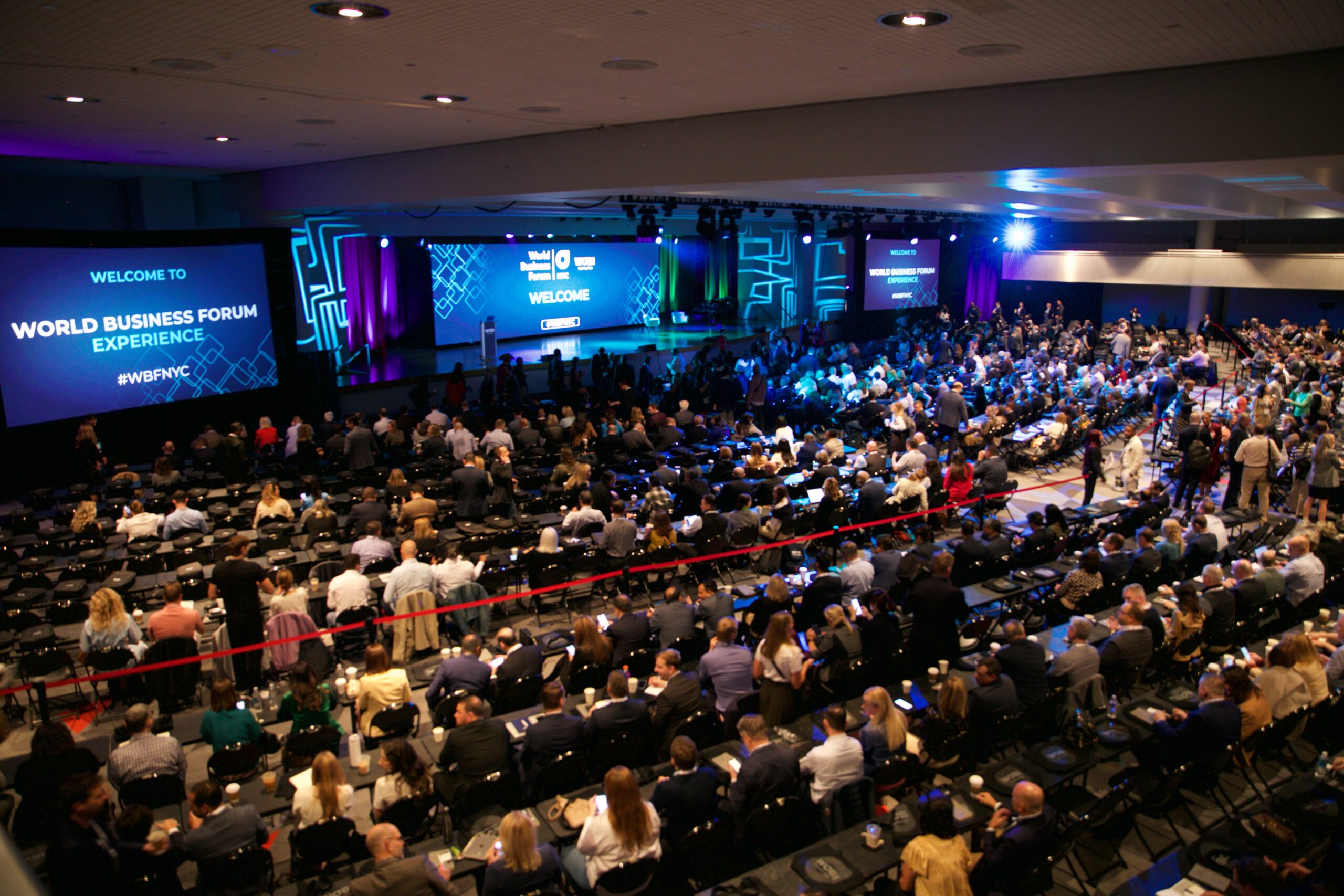
At last year’s World Business Forum, we put the same question to four of the speakers who took the stage: what’s the most important skill to lead the unpredictable? Their answers were different. That’s the point. What they described between them — an economist, a social psychologist, a habits researcher, and an MIT scientist studying AI adoption — was not one skill but four moves that leadership under uncertainty now demands. Nobody masters all four. But anyone who ignores one of them doesn’t last.
1. WIDEN THE APERTURE — Nouriel Roubini
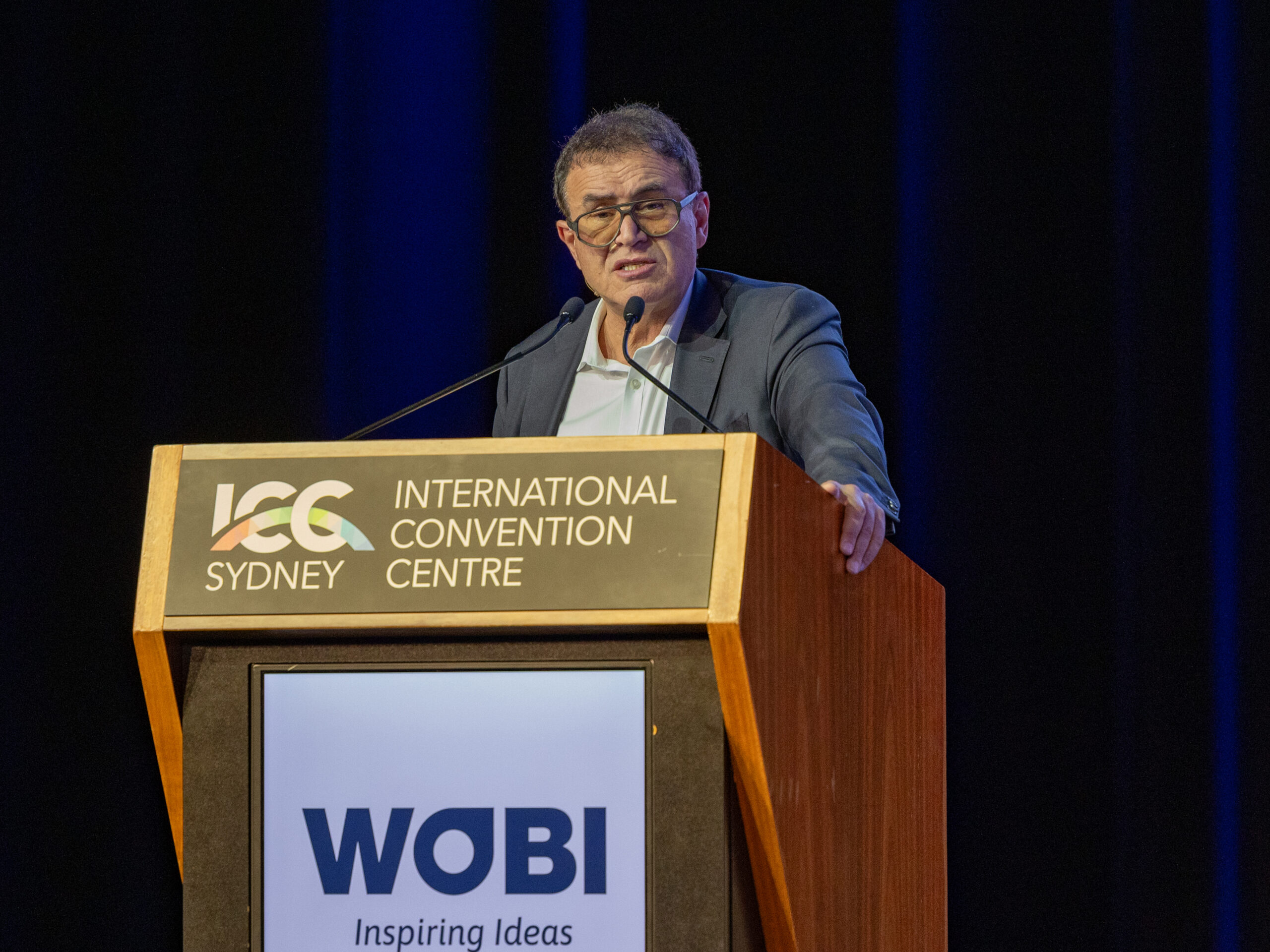
Nouriel Roubini, the economist who called the 2008 crisis, made the structural point. Traditionally, he observed, companies worried about their own sector, their own firm, their direct competition. That aperture was enough. It no longer is.
“You have to be aware of broader economic changes,” he said. “Whether trade wars and restrictions to trade are going to be impacting you. As a leader, you have to figure out how AI and technologies of the future can disrupt your own firm, your own business, your own sector. And you also have to be aware of social and geopolitical trends, because those have direct bearings on the profitability of your firm.”
The skill Roubini is describing isn’t intellectual. It’s a discipline. The moment a leader stops reading beyond their own industry is the moment they stop being able to price risk correctly. It’s no longer the narrow business interests, he insisted, but the bigger economic, technological, political, and geopolitical issues that will decide who thrives.
2. SEE YOUR PEOPLE — Amy Cuddy
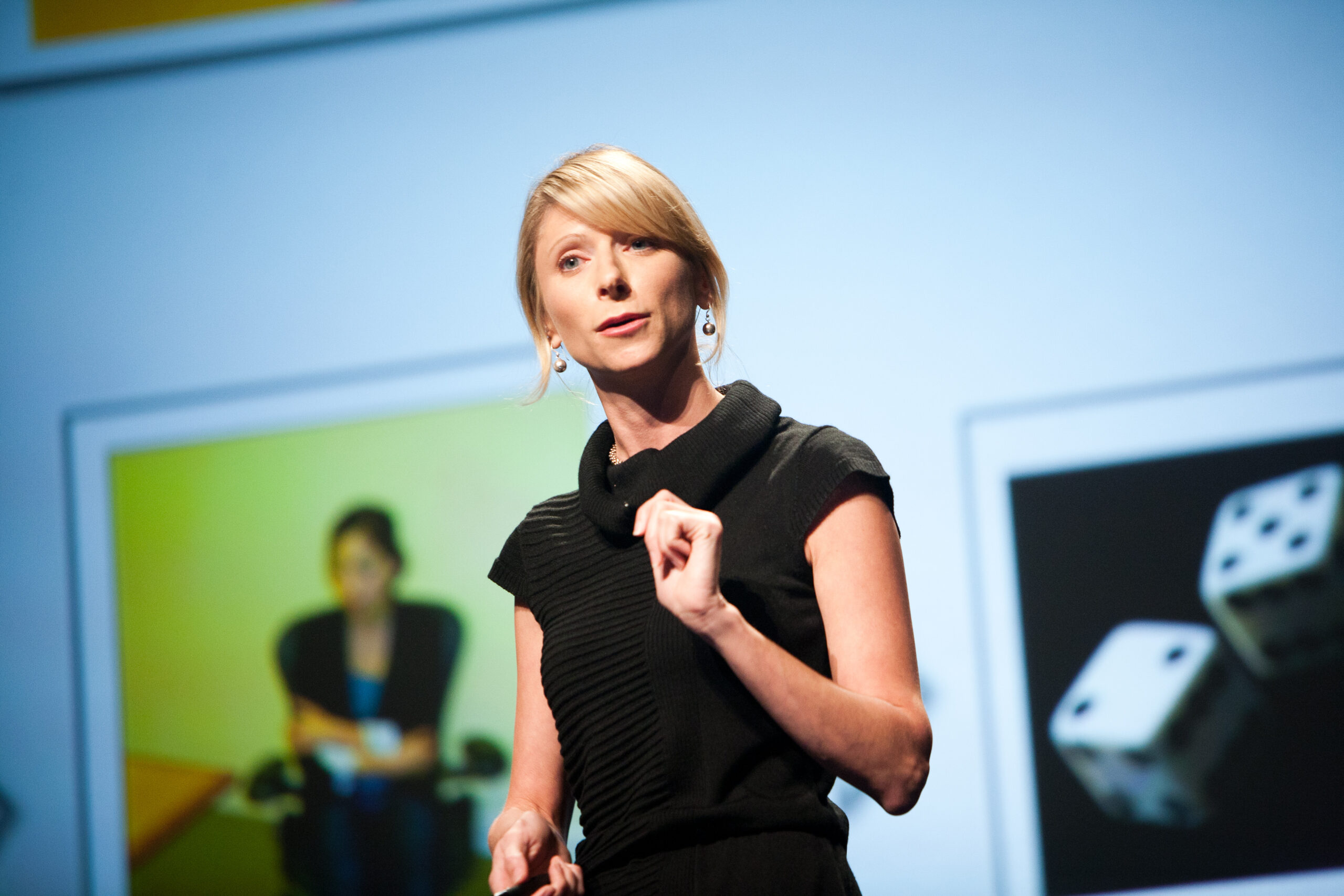
Amy Cuddy, the social psychologist known for her work on presence and confidence, went in the opposite direction. Where Roubini pulled the zoom out, Cuddy pulled it all the way down to the one-on-one.
“People feel so unseen right now,” she said. “When their leaders see them, they’re so much more likely to stay at their jobs, to work hard, to be creative, to collaborate, to feel proud of what they do. Taking the time to even one-on-one talk to people is the most important thing a leader can do in a time of flux.”
The observation is harder than it sounds. In an environment of constant flux, the leader’s temptation is to speed up: more decisions, more meetings, less margin. Cuddy suggests the opposite. The faster everything moves, the more the small act of stopping in front of one person and showing them you see them matters. It’s not an emotional luxury. It’s what holds the organization together when the ground moves.
3. ASK WHETHER YOU’RE ON THE RIGHT THING — James Clear
James Clear, author of Atomic Habits, came in from a third angle: not the outward look, not the human one, but the inward.
“Out of the universe of options of where you could spend your time, what are the odds that what you’re doing right now, or what you’re about to do this week, is the highest and best use of your time? From a mathematical perspective, it’s incredibly unlikely.”
His point: you can’t keep your head down, work hard, and trust that you’ll end up doing the most valuable thing. Work ethic, Clear admits — and he confesses to having leaned on his own for years — becomes a crutch. You start delegating to effort the decision only you should be making.
“Hard work is critical,” he said. “But you also need to create space to reflect and review and ask: am I working on the highest and best thing? Are we working on the highest and best use of our time?”
In the unpredictable, the question replaces the plan. And whoever doesn’t ask it answers it by default — by carrying on with whatever they were already doing.
4. DON’T DECIDE ALONE — Renée Gosline
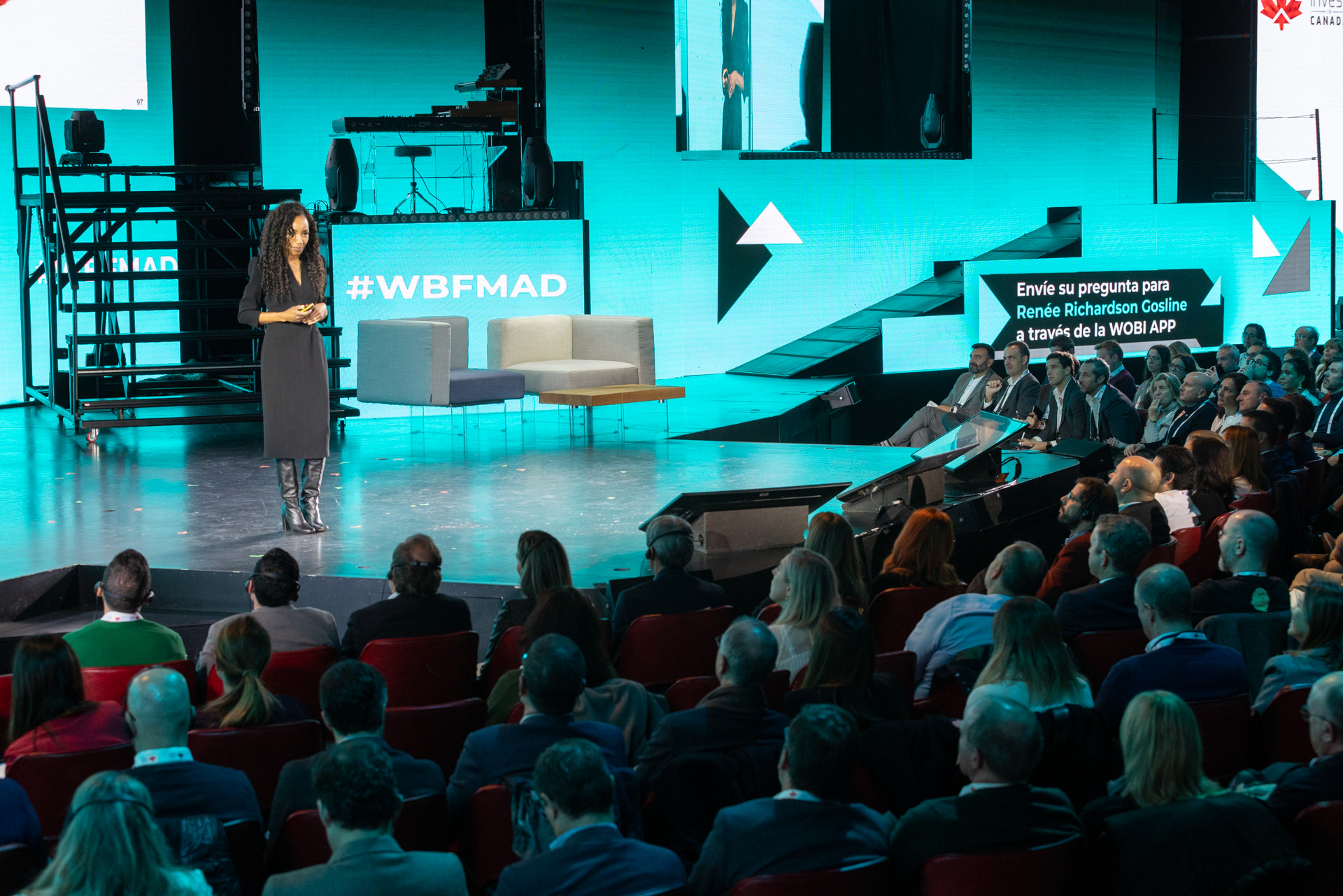
Renée Gosline, senior researcher at MIT Sloan and head of the Human-First AI Research Group, closed with a different kind of answer. The skill the unpredictable demands is not only individual. It’s collective.
“Gatherings like the World Business Forum are essential because things are moving so quickly,” she said. “We can’t wait until journals publish reports. As much as I’d like people to read my research, the fact of the matter is that we need, in real time, connections between people who are asking these questions.”
Gosline added an uncomfortable data point: over 95% of the AI deployed in the world is deployed by for-profit corporations. The consequence is direct. Academia, she said, is not what’s shaping the world. It’s the executives attending forums like WBF who are — with or without the scientific evidence in hand.
“Getting together, taking a step back from the everyday mandatories, asking the important questions, and creating cross-pollination,” she concluded, “is an essential part of navigating this really unpredictable world more intelligently, and in a more informed fashion.”
THE FOUR MOVES, TOGETHER
Put the four answers together and an outline appears. Roubini asks you to widen the frame: the macro is your business. Cuddy asks you to close the focus: the person in front of you is your business. Clear asks you to audit your attention: what you spend your time on is your business. And Gosline asks you to share the diagnosis: nobody decides the unpredictable alone.
It’s not one skill. It’s four. None substitutes for the others. A leader who expands their geopolitical view but doesn’t see their team, loses the team. One who sees the team but never asks whether they’re on the right thing, stays too close to the ground. One who reflects alone, stops learning. And one who leans only on the collective, stops deciding.
The unpredictable, in that sense, doesn’t reward whoever knows the most. It rewards whoever moves between those four planes with fluency. It’s an exercise in attention, not knowledge. And like any exercise, it’s trained.