Podcast
Business Transformation
The Fall and Rise of an Icon: What Barbie Teaches Us About Reinvention
In 2009, Barbie turned fifty at the absolute top of her game: 99% global awareness, the number one doll property and girls’ brand in the world, a cultural icon woven into the childhoods of millions across generations and continents. If you had stood in Mattel’s boardroom that year, the future would have looked untouchable.
Five years later, that same brand was in free fall.
This sharp turn of events raises a question every leader should consider: how does an icon, one of the most recognized brands ever created, lose its grip on the very culture it helped shape? And once that connection is broken, can it be rebuilt?
Lisa McKnight, former EVP and Chief Brand Officer at Mattel, lived that story from the inside. She didn’t just witness Barbie’s crisis; she led the turnaround that brought the brand back, nearly doubling the franchise in five years and steering the brand strategy behind a film that would go on to earn $1.44 billion at the box office. With more than 30 years building iconic brands — twice named one of Forbes’ Most Influential CMOs and honored as an Adweek Brand Genius — McKnight knows what it takes to restore relevance when legacy is no longer enough.

The Doll That Was Never Just a Doll
Rewind to the late 1950s, the world was full of rules about who women were expected to become. While toys for boys allowed them to imagine themselves as doctors, astronauts or firefighters, toys for girls often revolved around home and family — a future imagined small, quiet, and limited.
Then Ruth Handler, a working mother and co-founder of Mattel, noticed something nobody else had while watching her daughter play with paper dolls: she wasn’t just dressing them up, she was inventing stories. She was imagining who she might one day become.
“Ruth knew she’d created something much bigger: the original girl empowerment brand. The formula was simple: purpose times relevance, and it soon proved rich with opportunity.”
As more women entered the workforce, Barbie evolved with them. By 1985, nearly 60% of American women worked outside the home, and Barbie reflected that shift. When CEO Barbie arrived, she didn’t just sell; she sparked a national conversation about how few women actually sat in the C-suite.
For decades, Barbie spoke fluently to the dreams of each new generation. That ability to reflect cultural aspiration was what made the brand powerful, but it was also what made its decline so dangerous.
The Quiet Crisis
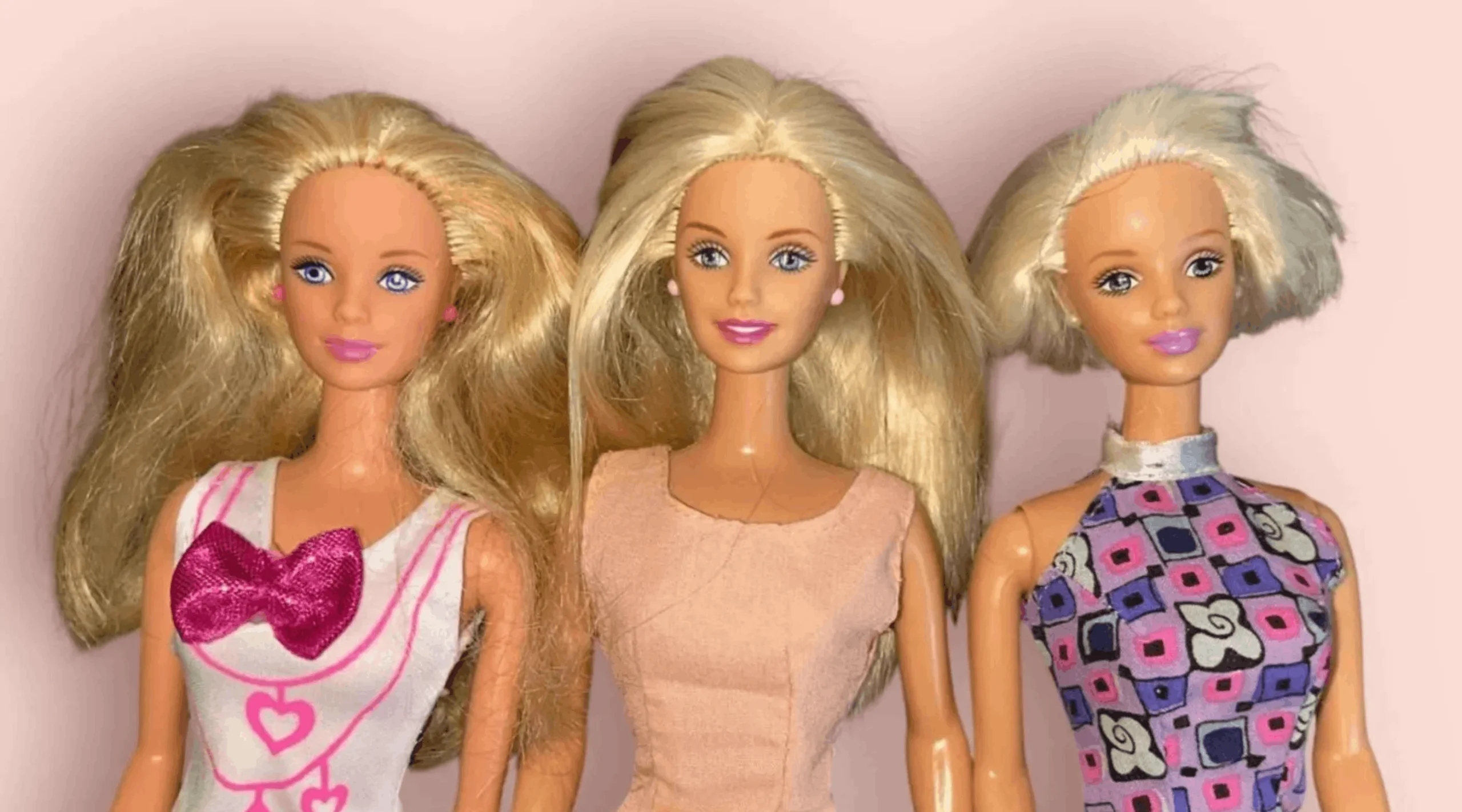
By the mid-2010s, the world had shifted. Campaigns like Dove’s Real Beauty were celebrating beauty in every form, reshaping the conversation about what women and girls were told to aspire to.
Against that backdrop, Barbie’s image — with her singular, unchanging vision of perfection — began to feel disconnected from the times. People no longer felt represented and Mattel soon realized that:
- Awareness does not guarantee relevance.
- Legacy does not protect a brand from cultural change.
- Purpose loses strength when people can no longer see it reflected in the product, the message or the experience.
- A brand can remain famous while becoming less meaningful.
But the most damaging wound wasn’t external. It was self-inflicted.
“Instead of evolving who Barbie was, we had distracted ourselves creating content, imagining her as other characters. Barbie, the original girl empowerment brand, was losing an important foothold.”
The doll that had once inspired generations of girls, in McKnight’s own words, “turned its back on its founding purpose”. Mothers no longer saw inspiration. They saw something one-dimensional, uninspiring, and out of step with the world around them.
Mattel knew it had a problem: how do you restore a brand’s relevance without erasing the very thing that made it matter in the first place?
Reinvention Takes Courage
The answer was not just a clever ad campaign. It was a series of visible, product-level decisions that forced the brand to prove its renewed purpose, not simply communicate it.
First, Mattel went back to the beginning. The team redefied Barbie’s purpose so that consumers could understand, once again, why she mattered. They listened more closely, leaned into consumer-centric innovation and stopped resisting culture in order to start moving with it.
“We connected to culture and created culture to make the brand more relatable and timely. And we reimagined Barbie as bigger than any one category.”
But words alone would not change perception. Barbie had to look more like the real world. So Mattel rebuilt the line with greater ethnic diversity, new face sculpts, different hair types and, today, more than 175 different looks.
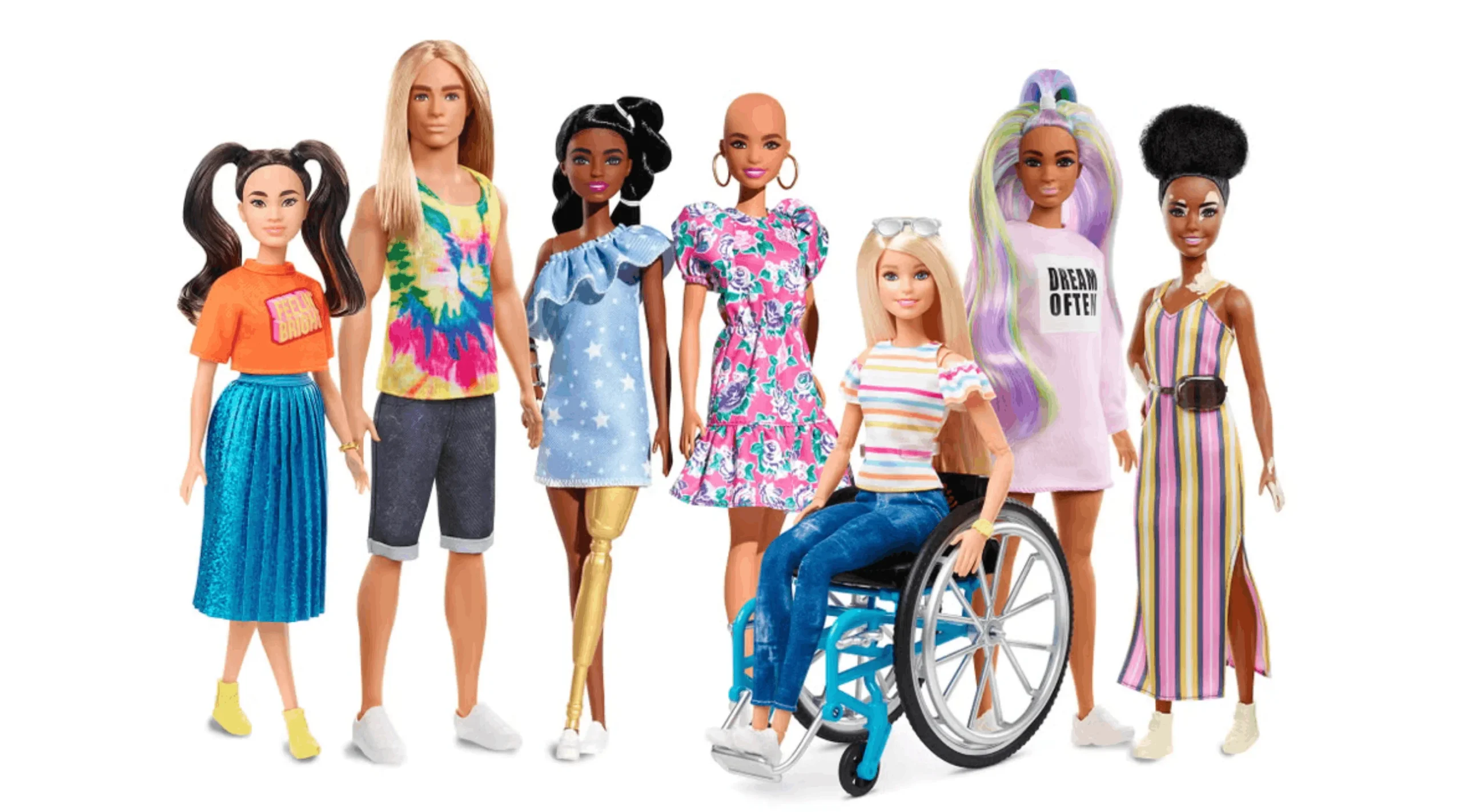
Then came one of the most important decisions in the brand’s history: after 57 years, Barbie’s signature body shape changed. The brand introduced curvy, petite, and tall variations to the original silhouette. It was, as McKnight puts it, “the gutsiest thing you can do to an iconic brand”. It added manufacturing complexity, took far longer than a marketing push and carried significant reputational risk. But the risk of staying the same was greater.
“The rewards far outweighed the risk of doing nothing… and most significantly generated nearly 100% positive sentiment. A reminder that people love Barbie the most when she takes a stand, and that maintaining brand relevance is never about playing it safe.”
- Reinvention cannot live only in messaging.
- Culture must be reflected in what the brand actually does.
- Iconic brands need courage precisely because they are iconic.
- The stronger the legacy, the harder it can be to change — but the more dangerous it is to stand still.
The Question Every Leader Must Answer
Strip away the dolls and the pink, and Barbie’s story becomes something every leader will eventually face.
The brands that endure are not the ones that cling hardest to their past. They are the ones willing to re-examine what made them meaningful in the first place and brave enough to evolve as the world moves beneath them.
Barbie came back not by abandoning its purpose, but by reconnecting with it. The brand listened harder, responded to culture instead of fighting it and treated reinvention as a deliberate strategy rather than a panicked reaction.
For leaders, the case offers several clear lessons:
- Purpose must evolve with culture. A strong founding idea is not enough if people no longer see themselves reflected in it.
- Awareness is not the same as relevance. A brand can be widely recognized and still feel disconnected from its audience.
- Reinvention requires more than communication. Real change must be visible in the product, the experience and the decisions behind the brand.
- Courage matters most when the brand is iconic. The more valuable the legacy, the more difficult — and necessary — it becomes to challenge it.
- The best time to reinvent is before the crisis becomes irreversible. Waiting too long makes change more expensive, more visible and harder to control.
And perhaps, that is the real question this case leaves for every leader and every brand:
When the world changes, will you know the difference between staying true to who you are and staying stuck in who you were?
Building a Winning Brand: Lisa McKnight Live in Sydney
This is exactly the kind of challenge Lisa McKnight will unpack with us this year at the World Business Forum in Sydney in a session designed for leaders facing their own questions of relevance and reinvention.
For any organization navigating change, Barbie’s story is a reminder that relevance is never permanent. It has to be questioned, renewed and rebuilt over time.
Press play and start listening to this WOBI Podcast episode — Barbie: The Reinvention of an Icon — to learn how the boldest brands turn moments of crisis into chapters of growth.
And if this is the kind of thinking that challenges how you lead, you can continue exploring more insights by becoming a WOBI Member — with on-demand access to hundreds of hours of content from global thinkers, designed for leaders who see continuous learning as a strategic advantage.